

Why Solana Analytics Matter — and How to Use a Block Explorer Without Getting Lost
Wow! This whole Solana explorer space moves fast. My instinct said it would calm down, but then activity spikes reminded me otherwise. Initially I thought throughput alone would solve most UX questions, but then I realized that visibility and tooling matter more for real users. Seriously?
Okay, so check this out—on-chain data is messy, noisy, and oddly beautiful. It’s like a crowded Times Square screen of transactions, validators, and token mints all flashing at once. I’m biased, but that chaos is precisely why a good explorer matters. It turns noise into signals that regular users and builders can actually act on. Hmm…
Here’s the thing. A block explorer isn’t just a ledger viewer. It is an operational dashboard, a fraud detector, and a user reassurance tool, sometimes all in one long session. On one hand the chain itself is deterministic and transparent. On the other hand, without the right UX and analytics, people still feel lost and vulnerable, and that bugs me.
Most explorers give you basic transaction details. Many stop there. But you need more: aggregated analytics, token history, program traces, and account change timelines. Wow! Those extra layers turn a curious click into meaningful context. They help you answer concrete questions like who minted a suspicious token, which validator skipped slots, or why a transaction failed repeatedly.
Let me be practical: if you’re using Solana for swaps, NFTs, or DeFi, you’ll ask operational questions fast. Who holds the token now? Which wallet moved the funds first? Did a program upgrade coincide with a price spike? Those questions are urgent when money’s at stake. And yeah, somethin’ about the urgency makes people impatient and a little panicked—understandably so.
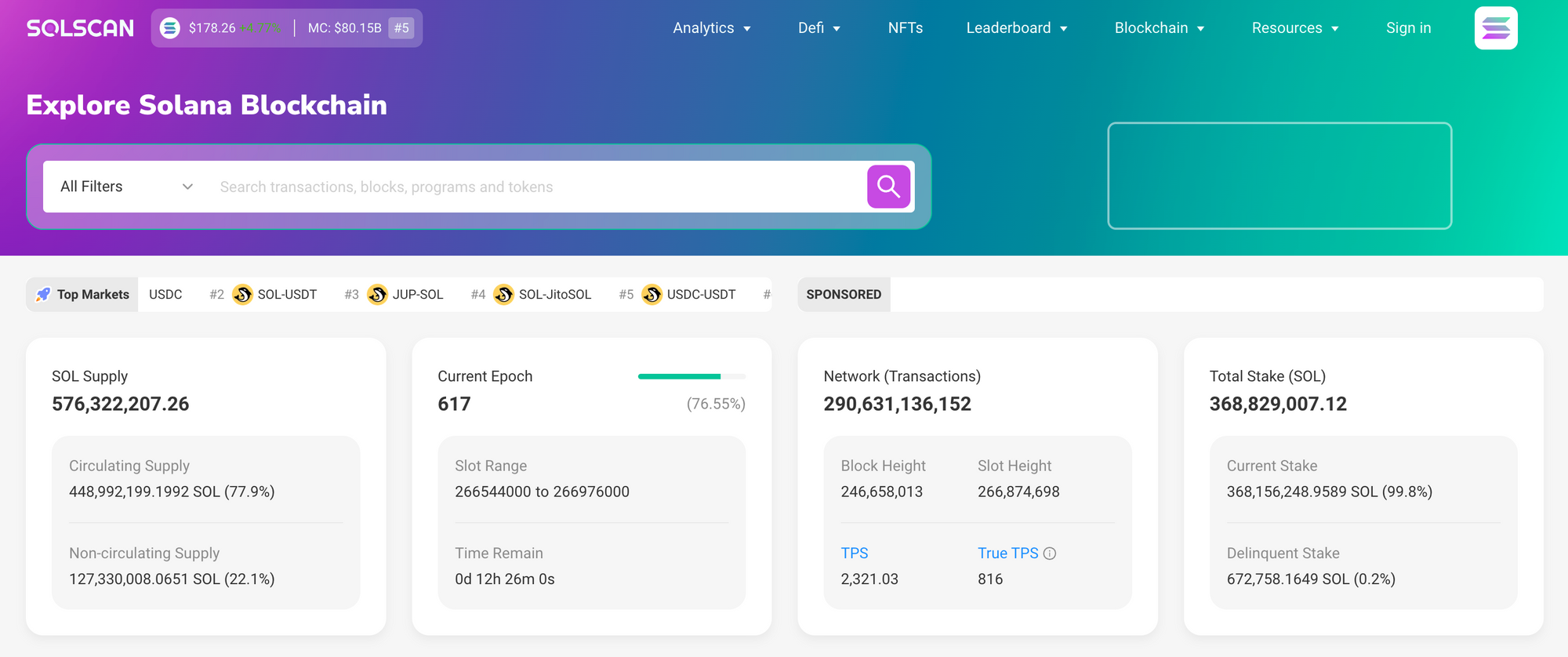
How explorers reveal patterns (without drowning you in raw data)
Really? Yes. Good explorers layer telemetry. They show transaction graphs, token flow visualizations, and fee breakdowns. They surface common failure modes, and they index program logs so you can read them in context. Initially I thought raw logs would be enough for troubleshooting, but actually, wait—let me rephrase that—logs are necessary, not sufficient.
On Solana, programs emit logs and accounts change state in microseconds; a human needs summarization and drill-down tools to make sense of it all. My first impression when I started debugging programs was that the chain was doing exactly what I told it to do, and I was the one misunderstanding my client code. Then I learned to correlate logs with slot timing, and a lot of mysteries resolved. On the other hand, some mysteries only resolved after I traced token movements across dozens of wallets and receipts—which can be tedious without good filters.
One useful mental model: explorers are like search engines crossed with network monitors. They let you zoom from a single signature to a whole cluster of related addresses. They help detect front-running, wash trades, and rug pulls by showing historical ownership and transfer patterns. They’re also invaluable for compliance checks and on-chain forensics, though I’m not a compliance lawyer—so take that part with a grain of salt.
Another thing to keep in mind is performance. Solana’s high throughput means an explorer must index millions of events quickly. If indexing lags, analytics are stale and decisions based on them can be wrong. Wow! Stale data is worse than no data when you’re reacting to a market move. The backend architecture of an explorer—how it stores account deltas, how it caches computed metrics—makes an outsized difference.
Also: UX matters more than most engineers expect. People want simple answers first, deep dives later. Start with a clear transaction summary then allow power users to pivot into program logs and raw account views. This progressive disclosure is why I repeatedly recommend explorers that balance clarity with depth. I’m not 100% sure which one is perfect, but several stand out.
Why I keep coming back to solscan explorer
Whoa! I say that because it’s a solid mix of speed, features, and approachable design. It offers transaction tracing, token analytics, and a program activity view that helps both builders and curious users. If you want a hands-on look, try the solscan explorer once and scroll through a few mint events and program logs. You’ll see the difference in how information is presented and linked together.
I’m honest: no tool is flawless. Some UI flows are clunky, and occasionally search results can be noisy. But overall the balance between indexed analytics and raw data is good. For many workflows, it reduces investigation time significantly. Really, it can be the difference between figuring out an issue in ten minutes versus two hours. That matters when your project’s uptime or treasury is on the line.
Practically speaking, use an explorer to validate assumptions quickly. Want to confirm a contract upgrade? Check program upgrade history. Wondering whether a token transfer was proxied through another program? Trace the signature and inspect the inner instructions. The explorer links pieces of the story so you don’t have to reconstruct it entirely from on-chain dust. Also: small tip—bookmark addresses you care about and follow them over time; trends emerge fast when you watch closely.
Okay, so here’s a short workflow I use when I encounter an odd transaction: copy the signature, paste it into the explorer search, read the summary, then open the inner instructions and program logs. Next I track token movements backward and forward, then I look at related accounts and recent transactions on those accounts. If needed I export logs or take screenshots for a postmortem. Yep, it’s methodical. And yes, sometimes it feels like detective work.
On the tools side, solscan explorer ties things together with token pages, market data overlays, and account histories, which again is why I link to it here as a practical entry point for Solana users.
Common traps and how to avoid them
Here’s the thing. New users often misinterpret transaction failures as chain faults, when in fact they’re client-side mistakes. They copy-paste commands without checking recent program changes. They also confuse wallet addresses with program-derived addresses, which matters a lot for authority checks. These are common, and very fixable.
Another trap is assuming on-chain transparency equals clarity. The chain shows everything, but it doesn’t annotate intent. You still need to infer whether a transfer was a marketplace sale, a gas refund, or an internal accounting move. Context comes from patterns—repeated interactions, timing, and associated program signatures.
Also, be wary of bots when analyzing token distribution. Automated market makers and arbitrage bots can skew ownership snapshots. If you’re trying to estimate circulating supply, don’t just tally balances at a single snapshot; look at velocity over time. My instinct said otherwise early on, and I once misreported supply because I ignored short-term concentrated movements.
Finally, remember privacy boundaries. Explorers are powerful, but they expose a lot of behavioral data. Use them responsibly and never dox people. I’m biased toward transparency, but I also respect that real humans use wallets for everyday life and deserve caution.
FAQs
What should I check first when a transaction fails?
Start with the error message and program logs. Then inspect inner instructions and account balance changes. If logs are cryptic, trace token movements and look for recent program upgrades or authority changes.
Can explorers help detect scams or rug pulls?
Yes. Look for suspicious token mint histories, sudden concentration of holdings, rapid sell-offs, or frequent transfers to newly created wallets. Cross-reference with program activity and developer accounts, but be cautious—sometimes patterns are ambiguous.
I’ll be honest: exploring on-chain data can be addictive and occasionally frustrating. Sometimes you find elegant explanations, other times you hit a wall and need to accept incomplete information. On one hand that uncertainty is part of the work and keeps you humble. On the other hand, every new insight sharpens your intuition for the next investigation.
So if you’re serious about using Solana effectively, practice these habits: validate assumptions, follow token trails, timestamp suspicious actions, and use an explorer that balances analytics with raw access. Try the solscan explorer as a practical tool in that toolkit and see how your troubleshooting time changes. It won’t fix everything, but it will change how you read the chain.
I’m not 100% sure where tooling will go next, though I expect more realtime alerting and richer program-level semantic indexing. That evolution will reduce guesswork considerably. Until then, keep a curious mindset, document your findings, and don’t be afraid to ask for a second pair of eyes—because sometimes the chain is right and the bug is in our assumptions. Wow!