

Why a Solana browser wallet feels different — and why that matters for NFTs
Whoa!
Okay, so check this out—I’ve been fiddling with Solana wallets lately, and somethin’ interesting happened. At first it felt like every extension looked the same, but that first impression changed fast. Initially I thought the pain points were only about speed, but then I realized UX and safety were tangled together in ways I hadn’t expected.
Here’s the thing.
Solana is fast. Really fast. That speed is a blessing for NFT drops and microtransactions, though actually it raises a different set of worries because transactions confirm so quickly that users have less time to reconsider a mistake. My instinct said: build friction where it helps, remove friction where it wastes time.
Wow!
Extensions sit between your browser and the blockchain, so they are both gateway and guard. If you use them for NFTs you want clear collection views, quick token previews, and sane metadata handling. Something felt off about some older extensions that shove raw JSON at users—no thanks.
Hmm…
Security basics still matter most. Seed phrase backups, hardware wallet integrations, and phishing-resistant UI are the foundations. I’m biased, but a good extension treats the seed phrase like your financial lifeline—simple reminders, copy-protection, and repeated nudges to store it offline (not in a screenshot, please). Oh, and use a password manager if you can.
Seriously?
Yes—because the average NFT buyer isn’t a dev. They come from Twitter, Discord, or a lazy Saturday browse, and they expect a one-click flow without being confused by networks, gas tokens, or hidden approvals. That means sensible defaults and transparent permission dialogs are very very important. The UX decisions you make influence mistakes people will make.
Okay, so check this out—
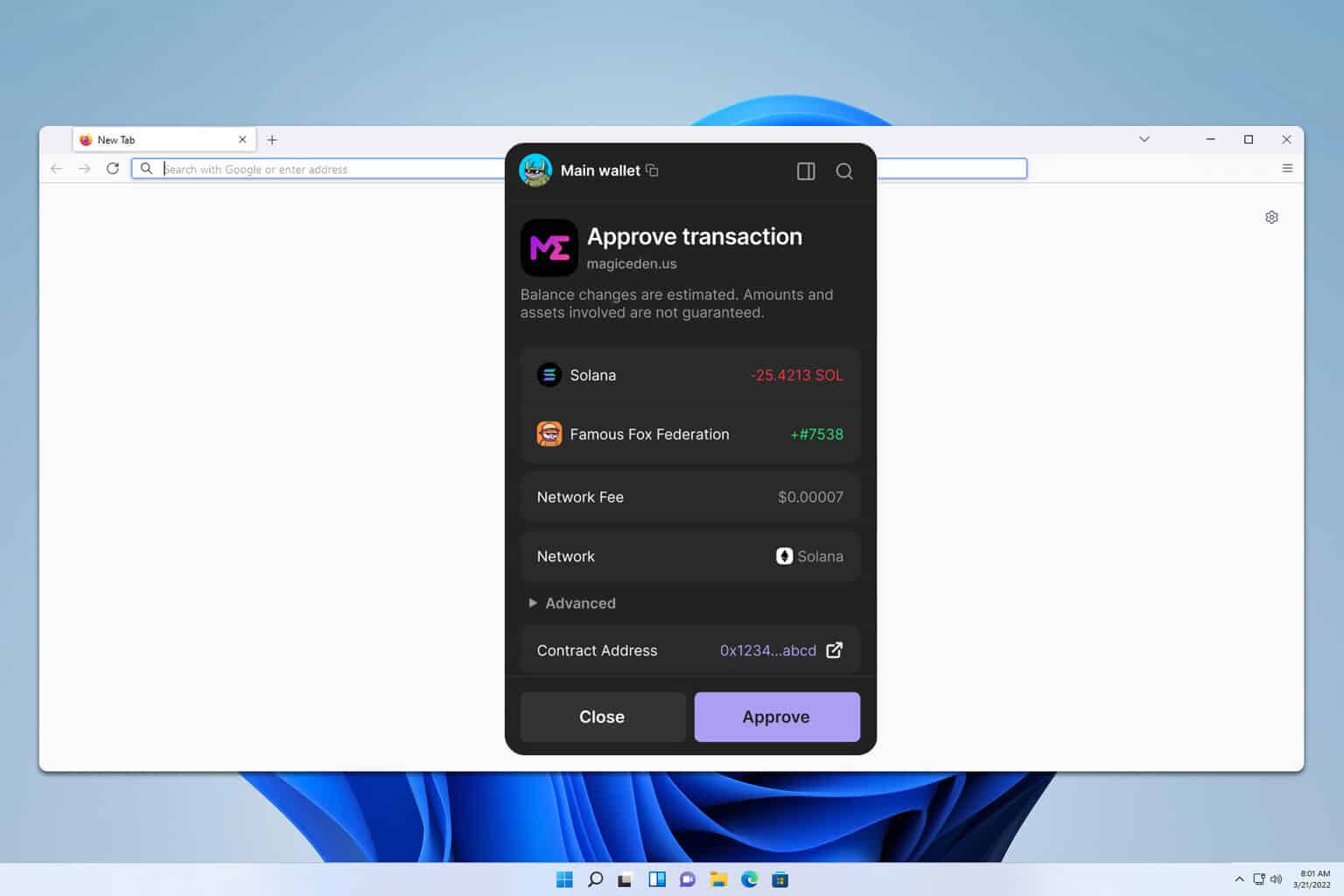
I started leaning on one extension for testing and it saved me time on listings and transfers. The wallet’s token gallery made identifying assets easy, and transaction previews showed exactly what would be signed. Initially I thought that was just polish, but then I realized those previews stopped a few near-misses (a mis-click approval, a wrong network send) that would have cost real money.
I’m not 100% sure, but…
When you evaluate Solana wallet extensions, look for these practical features: clear mnemonic backup flow, hardware wallet pairing (Ledger), granular approval controls for dApps, and visible transaction breakdowns (fees, program calls, account creation). Also check whether it supports SPL tokens cleanly and shows NFT metadata without needing a third-party explorer. These are the kinds of small things that save headaches.
My go-to setup and why it works
I use a layered approach: extension for everyday interactions, hardware wallet for big transfers or valuable NFTs, and a separate browser profile for risky links. That partition reduces accidental approvals and keeps my main browser uncluttered. I know some people keep everything on a phone; that’s fine, but for desktop collectors this split makes sense.
Check this out—if you want a straightforward browser extension experience that feels native to Solana, try installing the phantom wallet and poke around the settings. The installation flow is concise, the NFT gallery is usable, and Ledger support exists for that extra layer of trust. I’m biased toward anything that reduces cognitive load during high-pressure drops, and this one does that well.
Whoa!
One caveat: never trust a popup that asks for your seed or private key. Seriously, no legit extension or dApp will ask for that through a web form. If somethin’ asks, close the tab and breathe. Also, double-check the domain of any site asking to connect—phishing rip-offs can clone a UI and trick you into approvals that approve token transfers, not just view-only access.
Here’s the deal.
Connection permissions can be granular or overly broad, depending on the wallet. Prefer wallets that show a clear list of what a dApp requests—Read-only? Sign transactions? Transfer authority? And watch out for “Approve all” checkboxes. On one hand that speeds things up; on the other, it hands persistent power to a contract that could drain tokens if it has a vulnerability.
Hmm…
For NFT collectors specifically, pay attention to metadata caching. Some wallets cache images and names so your gallery looks pretty even if a remote host goes down. That’s convenient, but be aware of where that metadata is fetched from—decentralized sources are ideal, though not always possible. I learned this the hard way when a collection changed images after a reveal and my gallery kept showing the placeholder.
I’ll be honest…
Gas is mostly invisible on Solana, but account creation fees can surprise newbies. When you transfer an NFT to a new recipient, the chain may need to allocate an account for that token, which costs a small SOL amount. Wallets that warn about this are doing users a favor. That tiny warning saved one friend from a very awkward “where did my SOL go?” moment.
Wow!
Developer tip: if you build dApps, surface the exact instructions your users will see in their wallet. Preview the transaction, show human-readable reasons for each instruction, and avoid multi-contract black boxes. On the user side, treat unknown approvals as red flags and ask questions in the project’s Discord before confirming anything unusual.
Common questions
How do I safely backup my wallet?
Write the seed phrase on paper and store it in two secure places (not photos). Consider a metal backup for real long-term durability. If you pair a hardware wallet, keep that device’s PIN secure and the recovery phrase offline; that combo is the safest for high-value holdings.
Can an extension be hacked?
Extensions have an attack surface—browser vulnerabilities, malicious updates, or compromised supply chains. Using a hardware wallet for signing, keeping software updated, and avoiding unofficial builds reduces risk. Also, use a separate browser profile for crypto activity to minimize exposure from everyday browsing.
Are NFTs safe to store in a wallet extension?
Yes, but with caveats: security depends on your seed phrase protection and operational habits. Store high-value NFTs with hardware-backed signing, and treat marketplace approvals cautiously. For everyday collectibles, an extension is convenient and generally safe if you follow basic hygiene.